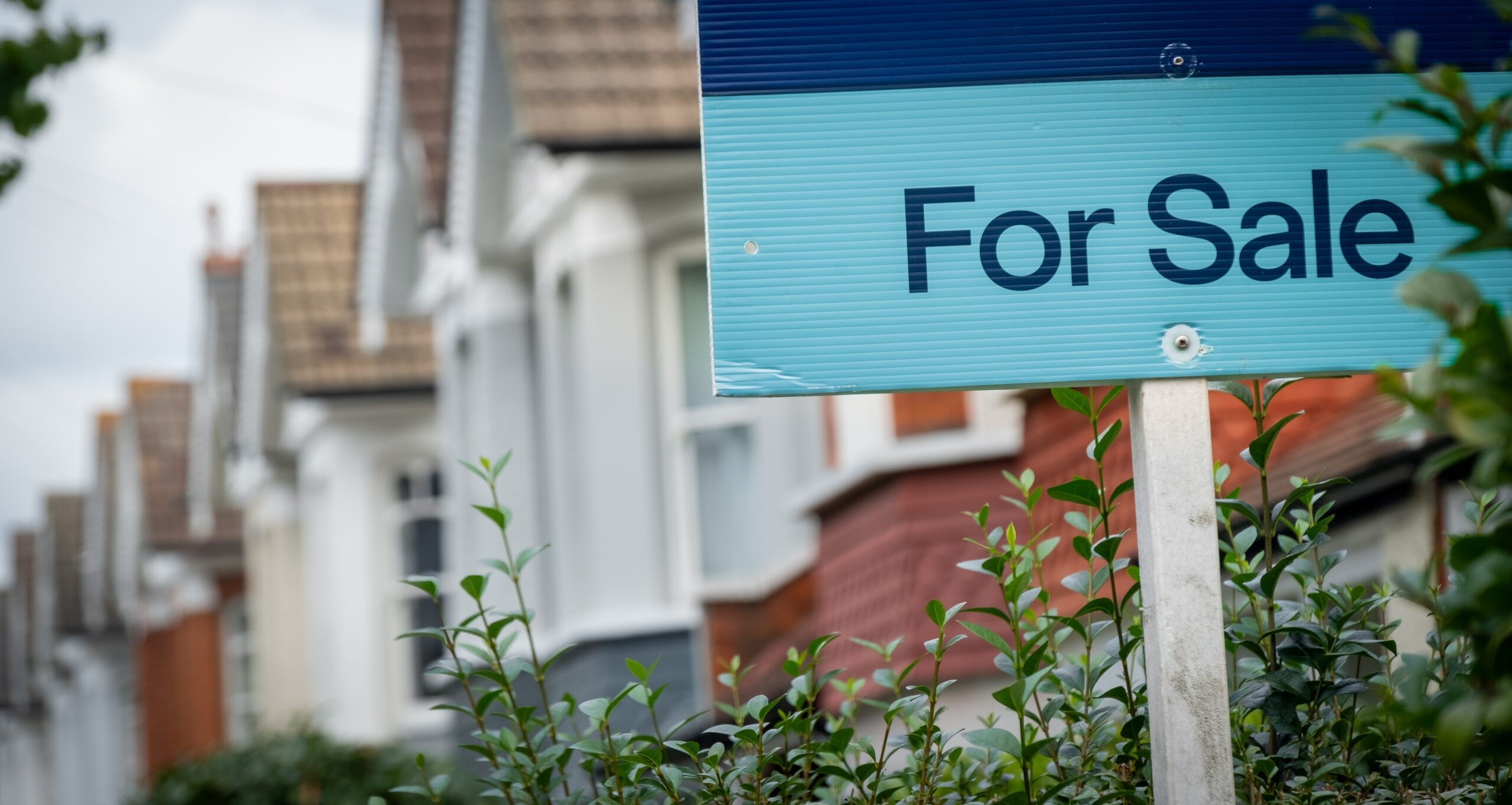
Why the Worst Month to Sell a House Could Affect Your Sale
In Nebraska, our real estate market breathes with the seasons, shifting significantly as the weather turns. If you list your property during a peak window, you might see multiple offers within days. However, choosing a slower month can lead to frustrating price drops and a house that sits on the market for far too long.
Understanding these cycles is vital for protecting your home equity. The difference between a well-timed sale and a poorly timed one can mean thousands of dollars in your pocket. Whether you are looking for the highest possible price or a quick exit to start a new chapter, being strategic about the "when" is just as important as the "how." In this article, we help local owners find a path that works regardless of the season, ensuring you don't have to be at the mercy of the calendar.
What Makes a Month “Bad” for Selling a House?
When we talk about the "wrong" time to sell, it usually comes down to a drop in the number of active buyers. In Nebraska, the cold winter months often see a sharp decline in market energy for several reasons. Understanding these hurdles helps you decide if you should wait or look for a faster alternative.
Low Buyer Demand: Most families prefer to move during the summer break, so the pool of people actively looking for a new home shrinks significantly after October.
Weather Impact: Let’s be honest, it is hard to show off curb appeal when the lawn is brown or buried under a snowdrift. Icy driveways and freezing temperatures can also discourage buyers from attending open houses.
Holiday Slowdowns: Between Thanksgiving and New Year, people are focused on family and travel, not filling out mortgage applications.
Financing Delays: Banks and title companies often have holiday closures, which can stretch out an already long closing process.
The Worst Month to Sell a House: Timing Your Sale for Maximum Profit
In Nebraska, historical data consistently points to late autumn and early winter—specifically October through December- as the most challenging window for sellers. During this period, the "seller premium" (the amount over market value you can expect to receive) often hits its lowest point of the year. When you list during these months, you are frequently fighting against a market that has gone into a deep freeze.
Because there are fewer active buyers, your pricing power evaporates. Homes tend to sit on the market significantly longer, often exceeding 50 or 60 days compared to the quick 30-day turnarounds we see in the spring. Every extra week your home remains unsold, you are essentially losing money to "holding costs." You are still paying for the mortgage, property taxes, and the increased cost of heating a house through a cold Nebraska winter. These ongoing bills slowly chip away at the final profit you’ll see at the closing table.
How Seasonality Impacts Your Final Sale Price
The shift in seasons creates a ripple effect that touches every part of your transaction. In the high-demand months of May and June, it is common to see bidding wars that drive prices well above the asking amount. However, in the off-season, the dynamic flips. Buyers who are brave enough to house-hunt in a snowstorm often know they have the upper hand and will negotiate much harder on price and repairs.
Consider the carrying costs of waiting for that "perfect" buyer in January. Between the Nebraska property taxes (which are among the highest in the country) and the high utility bills required to keep pipes from freezing, a house that sits for three extra months can cost you thousands in pure overhead. When you add in the fact that buyers are likely to offer 5% to 10% less than they would in July, the "cost of waiting" becomes a very real financial burden.
Do Open Houses Sell Houses or Just Attract Lookers?
If you are trying to sell during a slow month, you might feel pressured to host an open house every weekend. While these events can create a sense of "buzz" in a hot market, their effectiveness in the off-season is often debatable. Statistically, only a small fraction of homes, often cited around 5% to 7%, actually sell as a direct result of an open house.
In many cases, these events primarily attract "looky-loos" or neighbors who are simply curious about your floor plan. During the colder months, the foot traffic drops even further. If you are spending your Saturdays cleaning and leaving your home only to have two people walk through, it might be a sign that the traditional method is working against the calendar.
While they can sometimes help a property get seen, they often lead to more "tire-kicking" than actual signed contracts. For those looking for a faster solution, companies like We Buy Houses Ralston, We Buy Houses Chadron, and We Buy Houses Crete can offer alternative ways to sell your property without relying on traditional methods.
Closing Costs When Selling a House in Slow Markets
When the market slows down, your closing expenses often start to climb in ways you didn't anticipate. In a "hot" market, buyers are happy to pay their own way just to win the house. In a slow market, however, you may find yourself forced to offer "seller concessions" to get a deal done. This might mean you agree to pay for the buyer's loan origination fees or title insurance. costs that would normally be their responsibility.
Furthermore, agents may push for aggressive price reductions to trigger interest in a stagnant listing. If your home has been on the market for 60 days, a $10,000 price drop combined with $5,000 in buyer credits can quickly erode your equity. To ensure you are following the proper rules for these financial shifts, you can review the official guidelines provided by the Nebraska Real Estate Commission. Avoiding these compounding costs is one of the main reasons many local owners choose a faster, direct path that bypasses the seasonal price traps entirely. Services like We Buy Houses Plattsmouth and We Buy Houses Gering offer an alternative solution, allowing homeowners to sell quickly and without the pressure of fluctuating market prices.
What to Do If You Need to Sell During the Worst Month
If you must sell your house during winters, you have to be more calculated. Start by pricing the home aggressively from the first day; in a slow winter market, an overpriced house becomes "stale" quickly, leading to even lower offers later. Focus on small, high-impact fixes like lighting and heating rather than major renovations that you might not recoup.
To reduce your days on the market, make sure your online photos are top-tier, perhaps even using some from the summer to show off the yard’s potential. If you're wondering, "Can you sell a house with a mortgage?" the answer is yes, but it's important to price it right and market it effectively.
If the traditional route feels like an uphill battle against the snow, exploring faster-selling alternatives is often the wisest move. For example, consider checking out houses for sale in Lincoln, NE, to gauge the competition and find ways to make your property stand out. By avoiding a long listing period, you stop the drain on your bank account from ongoing mortgage and utility payments.
Smart Alternatives That Remove Seasonal Risk Entirely
For those who don't want to play the waiting game with the calendar, direct cash buyers offer a powerful shortcut. When you work with a professional company, the "worst month" simply doesn't exist. They buy houses in any season, which means you aren't at the mercy of holiday slowdowns or freezing temperatures that keep traditional buyers at home.
Professional help removes the stress of open houses and the uncertainty of buyer financing. You don't have to worry about cleaning or repairing the property to meet strict bank standards. Instead, you get a straightforward offer that allows you to close on your timeline, whether that’s in the middle of a blizzard or a summer heatwave. It is a stress-free option for those who prioritize their time and peace of mind over a complicated market process.
Traditional Sale vs. Fast Sale: Which Keeps More Money in Your Pocket?
Deciding between a traditional listing and a fast sale comes down to the bottom line. In a traditional winter sale, you might wait 90 days or more for a buyer, all while paying for taxes, insurance, and heating. When a buyer finally arrives, they may demand repairs and a 6% commission for the agents, further shrinking your final check.
A fast sale to a cash buyer might offer a lower initial number, but you must look at what you actually keep. With no commissions, no repair costs, and a closing date within two weeks, you often end up in a similar financial position, without the three months of stress. When you factor in the value of your time and the elimination of holding costs, the faster route often proves to be the most financially sound strategy for Nebraska homeowners.
Profit Isn’t Just About Price, It’s About Timing and Strategy
Ultimately, a successful home sale is about more than just the number on the contract. It is a combination of smart timing, a solid strategy, and an understanding of the local Nebraska market. While the seasons can create hurdles, they don't have to dictate your financial future. By recognizing the risks of the "bad" months, you can make an informed choice that protects your equity.
Selling your home shouldn't feel like a gamble with the calendar. Whether you choose a traditional listing or a more direct approach, the goal is to move forward with confidence and clarity. If you're ready to bypass the seasonal risks and find a lower-cost selling solution, reach out to Launch Homebuyers today. We’re here to help you get a fair offer and a fresh start, no matter what the weather looks like outside.